







Hospital Empanelment & Skill Centre Blueprint
Hospital network, PAN-India skill centres, portals and national MIS
Home / Hospital Empanelment & Skill Centre Blueprint
IMPORTANT SCOPE & GOVERNANCE NOTE
यह दस्तावेज़ Indian Heart Association के लिए एक विस्तृत प्रस्तावित वेबसाइट, डिजिटल प्लेटफॉर्म, अस्पताल नेटवर्क और प्रशिक्षण/स्किल सेंटर नेटवर्क का blueprint है। इसे Board approval, legal due diligence, clinical governance, financial feasibility और technology procurement के बाद लागू किया जाना चाहिए।
महत्वपूर्ण: IHA द्वारा अपने नेटवर्क में अस्पताल या प्रशिक्षण केन्द्र को empanel/list करना, NABH accreditation, QCI assessment, CGHS/ECHS/PM-JAY empanelment, NCVET/NSDC recognition, सरकारी affiliation या किसी वैधानिक licence के बराबर नहीं है। ऐसी मान्यता का दावा केवल संबंधित सक्षम संस्था के लिखित आदेश/प्रमाणपत्र और निर्धारित scope के आधार पर किया जा सकता है।
अस्पतालों के clinical services, patient referrals, emergency response, diagnostic services और medical fitness जैसी गतिविधियों के लिए अलग-अलग लागू कानून, राज्य नियम, professional registration, consent, insurance और clinical responsibility की जाँच आवश्यक है।
EXECUTIVE DESIGN SUMMARY
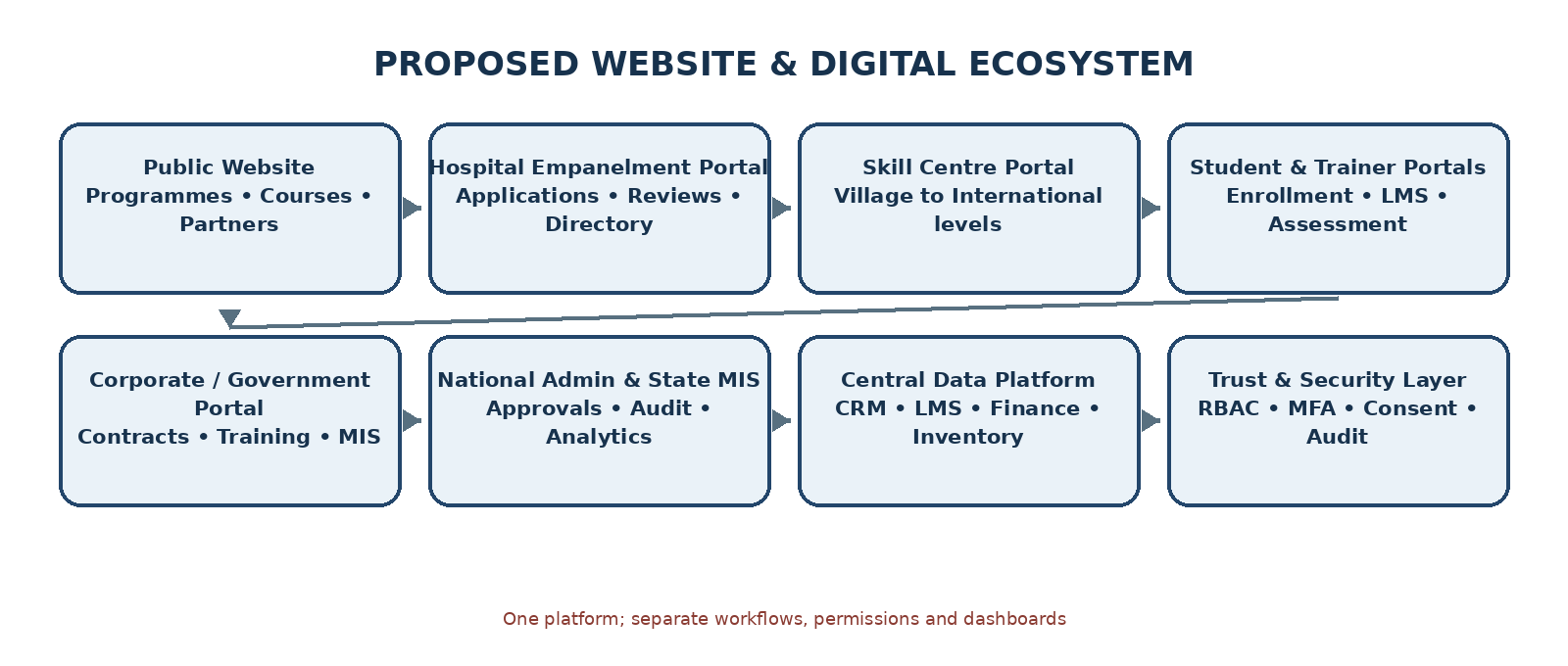
- एक bilingual, mobile-first public website और सुरक्षित role-based portal ecosystem.
- Hospital Empanelment Cell: hospitals, clinics, diagnostic centres, eye/dental centres, ambulance providers और अन्य eligible healthcare organisations के लिए अलग application workflow.
- Skill Centre Network: Village, Block, District, State Capital, National HQ और International Training Centre tiers.
- National MIS: application tracking, centre/hospital directory, course scheduling, trainer management, certificate QR verification, finance, audit and renewals.
- Governance: documented standards, independent review, clinical advisory oversight, grievance mechanism and transparent public listings.
Figure 1. Proposed public website and secure portal ecosystem
TABLE OF CONTENTS
- 1. Website strategy and brand positioning
- 2. Full website sitemap and page-by-page content
- 3. Homepage design and conversion pathways
- 4. Hospital empanelment portal and operating policy
- 5. PAN-India Skill Centre hierarchy and tier-wise model
- 6. Skill centre application, approval and renewal
- 7. Course, trainer, student and certification systems
- 8. Admin panels, MIS and data architecture
- 9. Technology, cybersecurity, privacy and accessibility
- 10. Revenue, fees and financial controls
- 11. Governance, legal boundaries and quality assurance
- 12. Marketing, launch and 12-month implementation roadmap
- Annexures: forms, checklists, KPIs, SOPs and source references
1. WEBSITE STRATEGY & BRAND POSITIONING
1.1 Proposed digital identity
Website domain: https://heartindianassociation.com/ (domain supplied by the user; domain ownership, DNS, hosting and current site status should be verified before development).
Suggested positioning: “Indian Heart Association – National First Aid, CPR, AED, Emergency Preparedness & Training Network.”
Suggested tagline: “Every Life Matters – Every Citizen a First Responder.” / “हर जीवन अनमोल – हर नागरिक जीवनरक्षक।”
1.2 Primary audiences
| Audience | Website objective | Primary call to action |
|---|---|---|
| Hospitals & healthcare organisations | Apply for IHA network empanelment / institutional partnership | Apply as Hospital |
| Training centre entrepreneurs / institutions | Apply to establish an authorised IHA Skill Centre | Open a Skill Centre |
| Students / citizens | Find and enrol in courses | Find Training |
| Trainers / medical educators | Apply for trainer onboarding and assignments | Become a Trainer |
| Corporate / industry | Book workplace training, audits and equipment support | Request Corporate Proposal |
| Government / CSR / institutions | Explore programmes, proposals and impact reporting | Institutional Partnership |
| International partners | Training collaboration, faculty exchange and international centre pathway | International Enquiry |
1.3 Website design principles
- Mobile-first design, quick-loading pages and clear navigation.
- English and Hindi at launch; add other Indian languages in planned phases.
- Accessibility: keyboard navigation, text alternatives, readable contrast and accessible forms.
- Trust-first design: publish legal identity, governance, policies, actual approvals and verified impact.
- Do not publish unverified claims such as “Government Approved”, “NABH Approved”, “NSDC Approved” or “Internationally Recognised”.
- Use separate pathways for healthcare organisations and skill centres; they are different applicant types and must not share one confusing form.
2. COMPLETE WEBSITE SITEMAP
| Menu | Pages / sub-pages | Key content and functions |
|---|---|---|
| Home | Homepage; mission dashboard; featured programmes | Main calls to action; verified numbers; latest updates |
| About IHA | Overview; vision; mission; legal identity; Board; leadership; governance | Registration particulars; objects; policies; annual reports |
| Our Network | Hospital Network; Skill Centres; Trainers; Partners; Map | Searchable approved directory with scope and validity |
| Hospital Empanelment | Eligibility; standards; process; fee schedule; documents; apply; track application; renewal; grievance | Separate hospital/clinic/diagnostic/eye/dental/ambulance categories |
| Skill Centre Network | Centre levels; eligibility; infrastructure; courses; fee schedule; apply; centre locator; renewal | Village to International centre model |
| Training Academy | Course catalogue; calendar; delivery modes; assessment; trainer pathway | Course outlines, prerequisites, duration, learning outcomes |
| First Aid & CPR | Basic First Aid; CPR; AED; BLS awareness; workplace response | Scope, target group, practical hours, exclusions |
| Industrial Safety | Factories; mines; construction; logistics; corporate contracts | Workplace assessment, drills and training |
| Find a Centre | Search by PIN/state/district/course; map; contact; availability | Only active, approved centres displayed |
| Find a Hospital | Search by state/district/specialty/services | Only IHA network-listed facilities with clear disclaimer |
| Certification | Verify certificate; certificate policy; report suspected misuse | Unique ID, QR, status and issue/expiry dates |
| Student Portal | Registration; course booking; payment; attendance; learning; result; certificate | Learner self-service |
| Trainer Portal | Application; credential upload; verification; availability; assignments; evaluation | Trainer dashboard and compliance status |
| Hospital Portal | Application; documents; gap response; assessment; agreement; renewal | Institutional dashboard |
| Centre Portal | Application; inspection; batch calendar; trainer roster; centre audit | Centre manager dashboard |
| Corporate Portal | Enquiry; quotation; contracts; calendar; reports; invoices | Corporate client self-service |
| CSR & Projects | Project concepts; geography; budgets; outcomes; utilisation reports | Donor and institutional information |
| Careers & Volunteers | Vacancies; volunteer registration; safeguarding; code of conduct | Application tracking |
| Knowledge Centre | Guides; downloads; FAQs; public safety articles; media | Version-controlled resources |
| Contact / Help | National office; support tickets; grievance officer; FAQs | Ticket ID and escalation |
| Legal & Policies | Privacy; terms; refunds; cancellation; safeguarding; accessibility; data retention | Approved policy versions and effective dates |
2.1 Required global website functions
- Global search and filters for courses, hospitals, centres and trainers.
- Login button with separate role-based access after authentication.
- Application status tracking using application ID and registered mobile/email OTP.
- Online payments only through a suitable payment gateway; display fee, tax, refund and payment terms before payment.
- Automatic email/SMS/WhatsApp notifications through authorised providers.
- Downloadable application receipts, agreements, assessment reports and certificates where authorised.
- Audit trail for all approval, suspension, renewal, payment and certificate actions.
3. HOMEPAGE – COMPLETE SECTION PLAN
| Section order | Section name | Content / interaction |
|---|---|---|
| 1 | Top bar | Support contact, language, accessibility, login |
| 2 | Main navigation | About, Network, Hospital Empanelment, Skill Centres, Courses, Corporate, Contact |
| 3 | Hero banner | National first aid and emergency preparedness message; buttons: Apply Hospital / Open Skill Centre / Find Training |
| 4 | Trust and governance strip | Legal identity, governance, clinical advisory and published policies |
| 5 | Verified national dashboard | Active hospitals, active centres, trainers, learners; data timestamp and methodology |
| 6 | Hospital empanelment feature | Eligibility, categories, steps and apply link |
| 7 | Skill centre network feature | Village to International hierarchy and centre application |
| 8 | Course catalogue | Search courses by audience, duration, location and mode |
| 9 | Find nearby network | PIN/state/district search; only approved active entries |
| 10 | Corporate solutions | Training, workplace preparedness, drills, products and MIS |
| 11 | Trainer pathway | Become a trainer; credential and competency requirements |
| 12 | Impact / case studies | Consent-based stories and verifiable results |
| 13 | Partner with IHA | Hospitals, colleges, NGOs, industry and international partners |
| 14 | News and events | Training calendars, announcements and policy updates |
| 15 | Footer | Address, legal details, grievance, privacy, terms and social links |
Homepage figures must be live MIS data, not aspirational targets. Every statistic should show “as on” date, geographic coverage and counting method.
3.1 Suggested homepage wireframe
| Desktop layout | Mobile behaviour |
|---|---|
| Header + full navigation | Compact menu and persistent Apply button |
| Large hero with 2–3 calls to action | Stacked hero with one primary and two secondary actions |
| Three audience cards: Hospitals / Skill Centres / Learners | Vertical cards |
| Network map and live metrics | Search-first interface; map optional |
| Course catalogue and corporate solutions | Swipeable cards and clear enquiry buttons |
| Footer with policies and contacts | Expandable footer sections |
4. HOSPITAL EMPANELMENT PORTAL
4.1 Purpose and boundary
यह portal उन hospitals और healthcare organisations को IHA के defined network/partnership programme में आवेदन करने, दस्तावेज़ जमा करने, assessment कराने, approval scope प्राप्त करने, directory listing और renewal के लिए उपयोग होगा। IHA network empanelment को सरकारी योजना empanelment या NABH accreditation के रूप में प्रस्तुत नहीं किया जाएगा।
4.2 Applicant categories
| Category | Possible applicant | Review focus |
|---|---|---|
| Multi-specialty hospital | General / multi-specialty hospital | Legal permissions, bed capacity, departments, staffing, patient safety |
| Specialty hospital | Cardiac, eye, orthopaedic, maternity etc. | Declared specialty scope, specialist credentials, facilities |
| Small healthcare organisation | Day-care / small hospital / clinic | Applicable registration, services, clinical staff and safety |
| Diagnostic centre | Pathology / imaging | Applicable licences, qualified personnel, equipment and reports |
| Dental / eye centre | Dental or ophthalmic facility | Scope-specific facilities, practitioners and patient safety |
| Rehabilitation / physiotherapy | Rehabilitation or physiotherapy centre | Practitioner credentials, service scope and equipment |
| Ambulance / emergency provider | Ambulance service organisation | Vehicle permits, trained staff, equipment, dispatch and handover protocols |
| Training hospital partner | Hospital hosting clinical education | Training agreement, supervision, learner safety and permitted access |
4.3 Hospital portal user journey
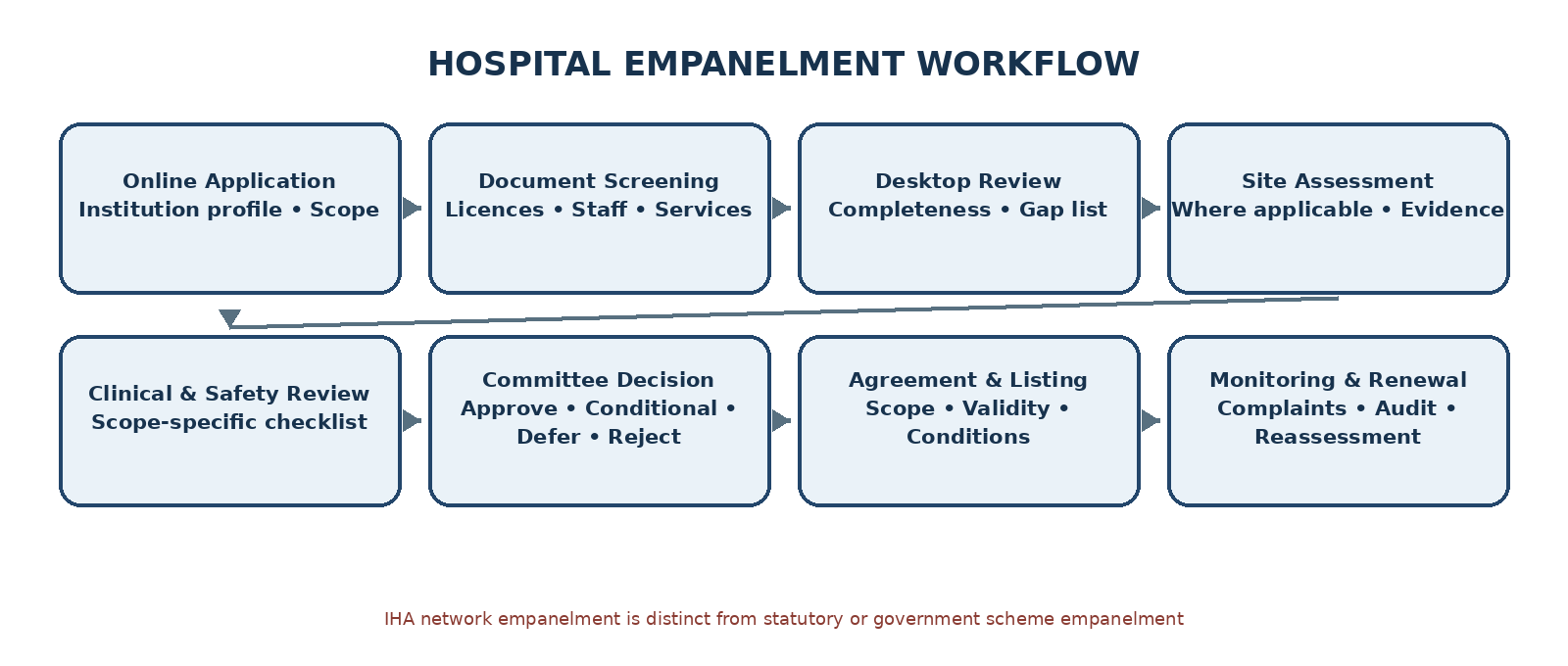
Figure 2. Hospital application and empanelment workflow
- Applicant selects facility type, state, district and proposed service scope.
- System creates account and verifies email/mobile; applicant accepts declarations and privacy notice.
- Applicant completes organisation profile and uploads required documents.
- Portal checks mandatory fields and file formats; incomplete submissions remain draft.
- Empanelment cell conducts desktop scrutiny and records gaps in a standard checklist.
- Applicant responds to observations within the prescribed period; every version is logged.
- Assessment is conducted remotely or on-site where required by approved policy and applicable law.
- Independent committee records approve / conditional approval / defer / reject with reasons.
- Approved institution signs the network agreement and receives unique IHA Network ID.
- Public directory displays only approved details, declared scope, status and validity.
- Monitoring, complaints, adverse events and renewal are managed through the portal.
4.4 Hospital application form – data fields
| Form section | Required fields / documents |
|---|---|
| Institution identity | Registered name, trade name, legal form, CIN/registration number where applicable, PAN, GSTIN if applicable |
| Address & ownership | Registered address, facility address, ownership/management details, authorised signatory |
| Facility profile | Facility type, bed count where relevant, operating hours, departments, services and geographic coordinates |
| Statutory permissions | Applicable clinical establishment registration/licence, fire safety, biomedical waste authorisation, pharmacy/radiology permissions where relevant |
| Clinical manpower | Medical practitioners, nurses, technicians and professional registration details, according to facility scope |
| Infrastructure | Emergency access, patient areas, equipment list, utilities, accessibility and safety arrangements |
| Quality & safety | Infection prevention, patient rights, consent, incident reporting, complaints, biomedical waste and emergency SOPs |
| Insurance & declarations | Professional indemnity/public liability as applicable; litigation/disciplinary declarations; conflict disclosures |
| Attachments | Registration certificates, licences, staff credentials, equipment records, policies, floor plan and photographs |
| Authorisation | Board/owner authorisation, declaration of accuracy and permission for assessment |
यह model checklist है, हर category पर हर document लागू नहीं होगा। Final mandatory documents list legal review और facility category के अनुसार configure की जाए। Sensitive patient records portal पर सामान्य empanelment application में न माँगे जाएँ।
4.5 Assessment scoring framework – proposed internal tool
| Domain | Illustrative weight | Evidence |
|---|---|---|
| Legal identity and applicable licences | Pass/Fail gate | Current registration and permissions |
| Clinical scope and staffing | 20% | Credentials, duty roster, scope and service availability |
| Infrastructure and equipment | 20% | Facility checklist, equipment maintenance and safety |
| Patient safety and quality systems | 25% | Consent, infection prevention, incident and complaint SOPs |
| Emergency preparedness | 20% | Emergency plan, trained staff, drills and referral/handover |
| Governance and records | 15% | Policies, records, privacy and corrective action |
Scoring percentages are proposed internal assessment design only. Any critical legal or patient-safety failure should trigger a hold regardless of numerical score. Approval thresholds, assessor independence and appeal rules must be Board-approved.
4.6 Decision outcomes and public status
| Status | Meaning | Public display |
|---|---|---|
| Draft | Applicant has not submitted | Not listed |
| Submitted | Application received | Not listed |
| Under Review | Documents being assessed | Not listed unless applicant opts in to limited status |
| Gap / Clarification | Additional evidence requested | Not listed |
| Assessment Scheduled | Assessment planned | Not listed |
| Conditionally Approved | Conditions remain outstanding | Only if policy permits; clearly label conditions |
| Active – IHA Network | Approval complete within defined scope | Listed with scope, location and validity |
| Suspended | Approval temporarily paused | Show status and contact for verification where appropriate |
| Expired / Withdrawn | Not currently active | Remove from active search; retain audit record |
| Rejected | Not approved | Not listed; applicant receives reasons and appeal route |
4.7 Hospital network agreement clauses
- Approved scope, permitted claims and use of IHA name/logo.
- Term, renewal, fees (if any), assessment arrangements and payment terms.
- Obligation to maintain statutory licences and notify changes.
- Credential verification, patient safety, confidentiality and data protection.
- Complaints, serious incident notification, inspection and corrective action.
- Restrictions on patient referrals, commissions and conflicts of interest; legal review required.
- Suspension, termination, appeal, logo removal and post-termination obligations.
- Explicit statement: IHA network listing is not a substitute for government approvals, NABH accreditation or statutory licences.
4.8 Renewal and surveillance
- Automated alerts at 120, 90, 60 and 30 days before expiry.
- Updated licences, staff roster, service scope, insurance and declaration.
- Risk-based desk review and on-site reassessment where indicated.
- Complaint and incident trend review; corrective action closure.
- Renewal committee decision and new validity record.
5. PAN-INDIA SKILL CENTRE NETWORK
5.1 Proposed tier structure
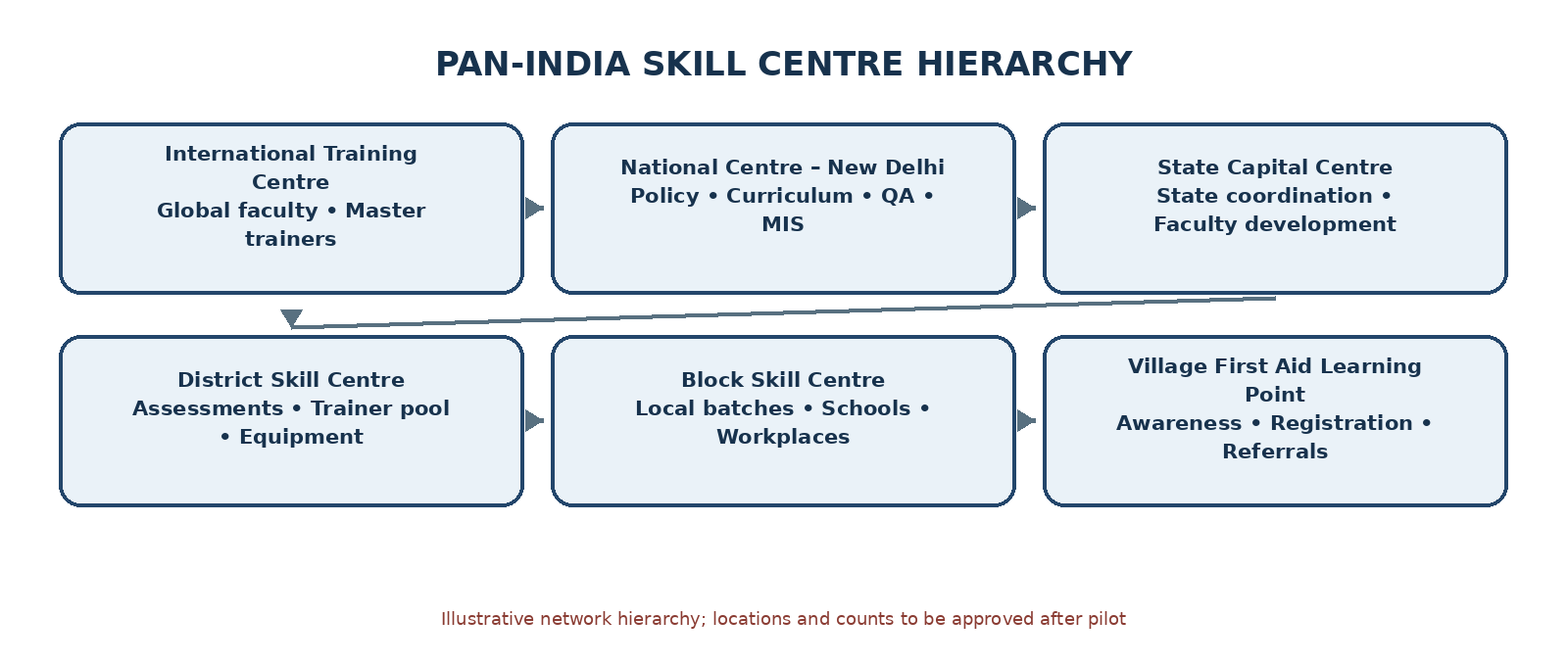
Figure 3. Proposed village-to-international training centre hierarchy
| Tier | Proposed centre title | Primary role |
|---|---|---|
| Level 1 | Village First Aid Learning Point | Awareness sessions, learner mobilisation, basic demonstrations and referral to approved practical training venue |
| Level 2 | Block Skill & Training Centre | Regular local courses, community batches, practical training and school/workplace outreach |
| Level 3 | District Skill & Assessment Centre | Trainer pool, practical assessments, equipment store, district calendar and centre audits |
| Level 4 | State Capital Advanced Training Centre | Faculty development, advanced simulation, state coordination, quality and partner support |
| Level 5 | National Training & Resource Centre – New Delhi | Curriculum governance, master trainer development, national MIS, research, standardisation and central QA |
| Level 6 | International Training & Collaboration Centre | International faculty exchange, partner programmes, master classes and cross-border collaboration subject to applicable approvals |
5.2 Important operating model
Village level पर प्रत्येक जगह full-scale practical training facility स्थापित करना आवश्यक नहीं है। कम लागत वाला Village Learning Point learner mobilisation, awareness, registration और periodic sessions कर सकता है; practical skills assessment nearby approved Block/District Centre में कराया जा सकता है। इससे equipment, trainer quality और assessment integrity बेहतर नियंत्रित होगी.
5.3 Tier-wise infrastructure and staffing
| Tier | Suggested minimum setup | Suggested personnel | Core equipment |
|---|---|---|---|
| Village Learning Point | Safe room/community venue by booking; seating; display; first aid demo corner | Local coordinator; visiting verified trainer | Demo first aid kit, training manikin access, projector/TV where available |
| Block Centre | Dedicated classroom; practical area; storage; washroom; accessible entry | Centre manager; 2 verified trainers (as needed); admin support | Adult/child/infant CPR manikins as course scope requires, AED trainer, bandaging and PPE |
| District Centre | Classrooms; assessment area; equipment store; office; secure records | District coordinator; lead trainer; assessors; admin | Multiple manikins, AED trainers, simulation aids, AV and equipment maintenance log |
| State Capital Centre | Advanced classroom; simulation lab; faculty room; digital studio | State director; faculty lead; QA officer; centre manager | Advanced simulation equipment, skills stations, AV capture with consent |
| National Centre | National academy, content studio, assessment development and MIS control | National director; medical/training advisory; QA, MIS and faculty teams | Standardised national equipment pool, LMS, simulation and audit tools |
| International Centre | International classroom and simulation capability; partner faculty facilities | International programme head; approved faculty; compliance coordinator | Equipment matched to programme standards and host-country requirements |
5.4 Proposed centre coverage targets – planning scenario
| Tier | Five-year illustrative target | Rollout note |
|---|---|---|
| Village Learning Points | 10,000 | Only where local demand, venue and trainer access are proven |
| Block Centres | 2,000 | Prioritise high-population blocks and underserved areas |
| District Centres | 750 | Phased district coverage, not automatic one-per-district promise |
| State Capital Centres | 36 | State/UT capital or designated state hub; verify administrative geography |
| National Centre | 1 | New Delhi |
| International Centres | 5–10 | Only through vetted international partners and host-country compliance |
ये planning targets हैं, मौजूदा operational centres नहीं। Actual centre count, rollout pace और financial commitments pilot results और Board approvals पर निर्भर होंगे.
5.5 Village Learning Point – operating design
- Local partner may be school, community organisation, NGO, panchayat venue or other suitable institution, subject to written permission.
- Primary activity: awareness, enrolment support, course information, basic demonstration and learner referrals.
- Any certificate-bearing practical course must be delivered and assessed under the approved training and assessment policy.
- At least one named local coordinator; trainer visits scheduled through the portal.
- Display course scope, trainer identity, complaint contact and centre status.
- Do not independently issue certificates or advertise unauthorised qualifications.
5.6 Block Skill Centre – operating design
- Scheduled First Aid, CPR and AED courses according to approved curriculum and instructor scope.
- Practical skill stations, attendance, assessment records and equipment logs.
- School, college, panchayat, factory and community outreach.
- Monthly MIS: enquiries, enrolments, completions, practical pass rate, complaints and revenue.
- Maintain trainer roster and backup trainer arrangement.
5.7 District Skill & Assessment Centre – operating design
- District course calendar and centre support desk.
- Trainer onboarding coordination and practical assessment scheduling.
- Equipment stock, inspection, repair and replacement.
- District-level quality audits and corrective action tracking.
- Corporate and institutional training delivery coordination.
5.8 State Capital Advanced Centre – operating design
- State faculty development and advanced trainer workshops.
- State-level curriculum implementation and translation coordination.
- Quality assurance of district and block centres.
- Government/institutional proposals and corporate account coordination.
- State MIS review, escalation and quarterly performance conference.
5.9 National Training & Resource Centre – New Delhi
- National governance, policy and standard operating procedures.
- Medical and training advisory committees and curriculum version control.
- Master trainer development and assessor calibration.
- Central LMS, CRM, finance, certificate and network directory administration.
- National procurement specifications and equipment standardisation.
- Annual national conference, research, impact report and external partnerships.
5.10 International Training & Collaboration Centre
- Establish only through a vetted local partner, legal review and host-country permissions.
- Map curriculum to the host country’s relevant clinical, occupational and training requirements.
- Use written MoUs covering intellectual property, branding, faculty, insurance, liability and data transfer.
- Do not claim global recognition or equivalence unless formally granted by the relevant authority.
- Operate international learner data and payments in accordance with applicable local and cross-border rules.
6. SKILL CENTRE APPLICATION, APPROVAL & RENEWAL
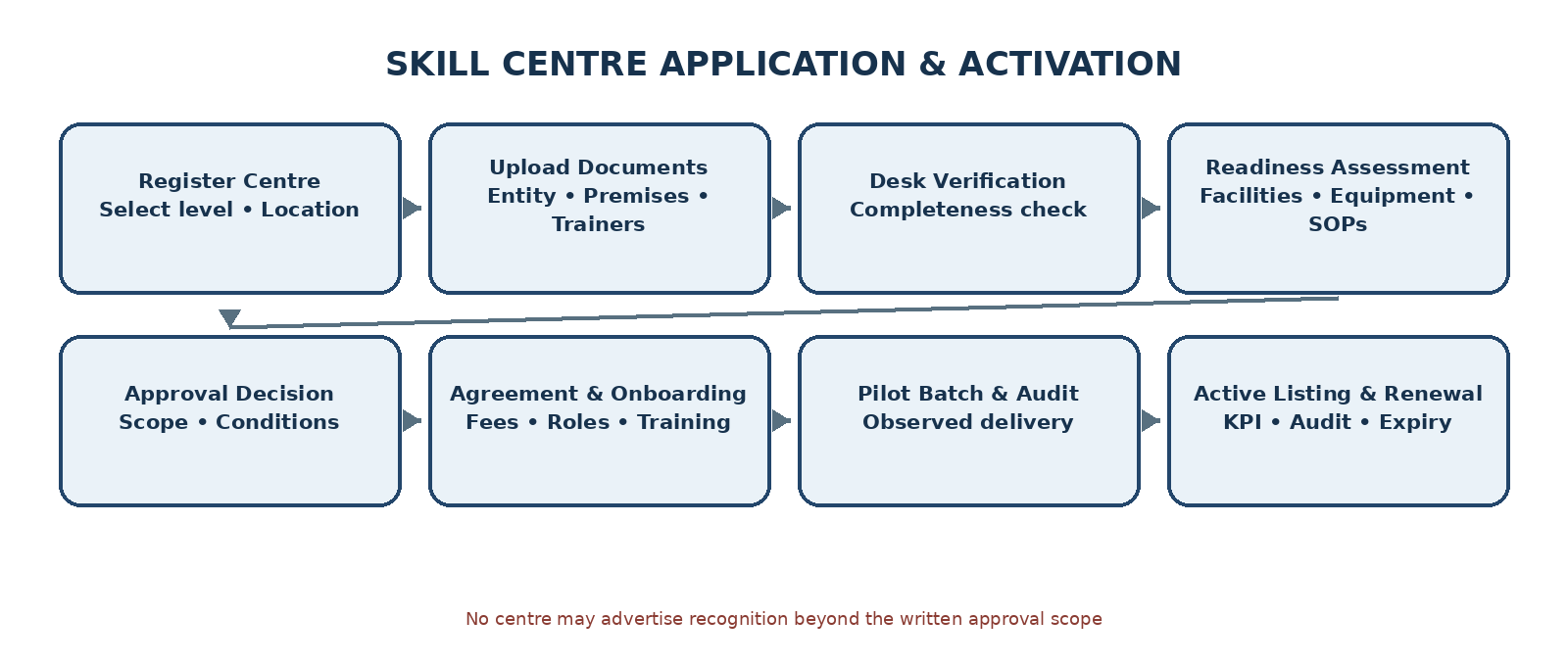
Figure 4. Skill centre application and activation process
6.1 Online application fields
| Section | Fields |
|---|---|
| Applicant | Name, contact, identity, legal entity/organisation, PAN and GSTIN where applicable |
| Proposed centre | Centre tier, name, state, district, block, village, PIN, address and map location |
| Premises | Ownership/lease/permission, room dimensions, seating, accessibility, washroom, fire/safety arrangements |
| Management | Centre head, authorised signatory, local coordinator and governance contact |
| Trainer details | Qualifications, relevant experience, certifications, identity and consent to verify credentials |
| Equipment | Manikin types, AED trainer, first aid training kit, PPE, AV, equipment condition and inventory |
| Course scope | Courses proposed, delivery mode, batch capacity and practical assessment arrangements |
| Policies | Learner safety, safeguarding, privacy, attendance, complaints, refunds and emergency plan |
| Financial | Application fee, proposed investment, bank details for authorised refunds and declarations |
| Attachments | Entity proof, venue proof, photographs, equipment list, trainer documents and signed declarations |
6.2 Centre approval criteria
| Assessment domain | Checks |
|---|---|
| Legal and identity | Applicant identity, entity/partner authority, premises permission |
| Infrastructure | Suitable training room, practical area, accessibility, safety and sanitation |
| Faculty | Verified trainer competence, availability and course-scope match |
| Equipment | Required training aids, inspection, maintenance and adequate learner-to-equipment ratio |
| Training quality | Curriculum version, lesson plan, attendance, assessment and feedback |
| Governance | Fee display, receipts, grievance mechanism, learner records and data security |
| Brand integrity | Approved signage, correct claims, logo use and no unauthorised certificate issuance |
6.3 Approval options
- Approved – full scope: all conditions met for stated course/centre tier.
- Conditional approval: limited scope with time-bound corrective actions.
- Pilot approval: restricted batches and enhanced monitoring before full activation.
- Deferred: more evidence or site readiness required.
- Rejected: material eligibility or safety failure; reasons and appeal process communicated.
6.4 Centre agreement and renewal
- Centre tier, territory (if any), approved courses and permitted certificate process.
- Initial term, renewal cycle, fee schedule, royalty if applicable and tax treatment.
- Trainer, equipment, learner protection, records, audit and brand requirements.
- Restrictions on sub-franchising, transfer, false claims and unauthorised affiliations.
- Suspension/termination, learner teach-out arrangements, refunds and appeal.
- Renewal based on performance, audit, complaints, trainer status and statutory compliance.
6.5 Centre locator public listing
Public listing fields: centre name, tier, address, PIN, map, contact channel, courses, delivery language, next batch dates, active status, approval scope, unique centre ID and validity. Do not publish personal home addresses or private trainer phone numbers without a lawful basis and consent.
7. COURSE, TRAINER, STUDENT & CERTIFICATION SYSTEM
7.1 Course catalogue fields
| Field | Description |
|---|---|
| Course name and code | Unique course identifier and version |
| Target audience | Public, school, industrial worker, driver, trainer or healthcare professional |
| Learning outcomes | Knowledge, practical skills and limitations |
| Duration | Theory, practical and assessment hours separately |
| Prerequisites | Age, literacy, prior learning and physical participation requirements where relevant |
| Delivery mode | In-person, blended or online; practical components clearly identified |
| Assessment | Knowledge check, observed practical skills and pass criteria |
| Certification | Issuer, approval scope, validity/renewal if applicable and verification URL |
| Fees | Course fee, taxes, cancellation and refund terms |
| Faculty | Required trainer/assessor profile and maximum batch size |
7.2 Trainer empanelment
- Trainer creates profile and selects course categories.
- Uploads identity, qualifications, experience, certificates and professional registration where relevant.
- Consent-based credential verification and reference checks are completed.
- Trainer completes orientation on IHA curriculum, learner safety, data protection and assessment.
- Observed teaching demonstration or competency assessment is conducted.
- Approval committee records scope, expiry, restrictions and renewal date.
- Trainer receives assignments through portal and submits batch records.
- Performance, learner feedback, audit findings and CPD are reviewed periodically.
7.3 Student portal
- Account creation and consent; learner profile and emergency contact where appropriate.
- Course search, eligibility, calendar, centre location and fee details.
- Online booking, payment receipt and cancellation/refund workflow.
- Pre-course information, attendance QR, learning materials and assessment schedule.
- Results, certificate download and verification link if successfully completed.
- Grievance ticket, correction request and certificate reissue process.
7.4 Certificate integrity controls
- Unique non-sequential certificate ID and QR verification URL.
- Certificate record tied to learner, course version, batch, trainer, assessor and issue date.
- Only authorised roles may approve issue; maker-checker controls for exceptions.
- Statuses: valid, expired (if expiry applies), suspended, revoked, corrected or replaced.
- Public verification shows minimum data only; never expose learner ID documents or private contact details.
- Certificate wording must state the actual issuer and recognition/approval basis; no implied government recognition.
8. NATIONAL ADMIN PANELS & MIS
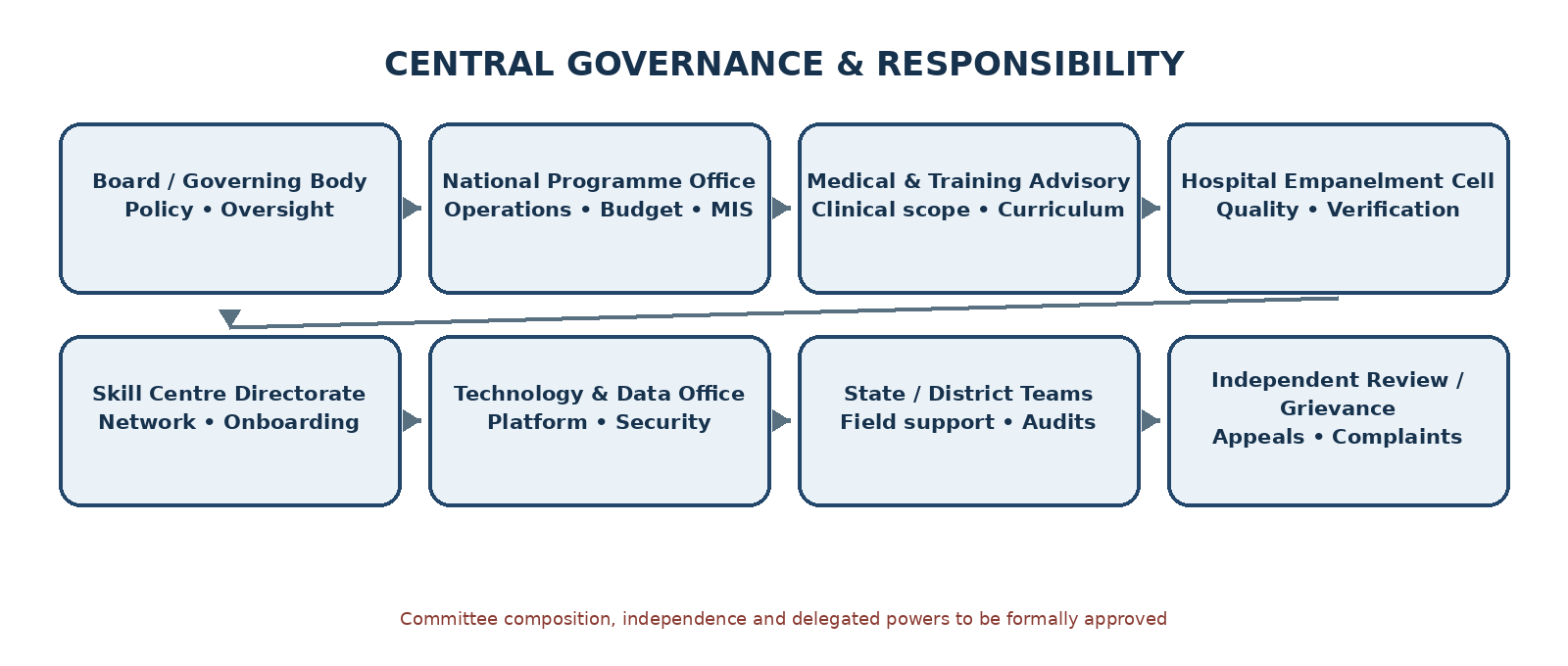
Figure 5. Proposed governance and operating responsibilities
8.1 Role matrix
| Role | Access and responsibility |
|---|---|
| Super Admin | System configuration, role assignment, audit access; tightly restricted |
| National Director | National dashboard, policy and centre/hospital approval oversight |
| Hospital Empanelment Officer | Hospital application, checklist, assessment and renewal records |
| Medical/Quality Reviewer | Clinical scope and quality review within assigned expertise |
| Centre Directorate | Centre applications, inspections, agreements and audits |
| State Admin | State operations, local coordination, performance and escalation |
| District Admin | District batches, trainers, equipment and centre support |
| Centre Manager | Own centre calendar, batches, attendance and inventory |
| Trainer | Assigned batches, attendance, assessments and learner feedback |
| Finance Officer | Invoices, receipts, reconciliation and refunds |
| Grievance Officer | Complaint case management and escalation |
| Auditor | Read-only evidence access and audit reports |
8.2 Dashboard modules
| Dashboard | Key metrics |
|---|---|
| National overview | Active hospitals, active centres by tier, states covered, learners, revenue and compliance alerts |
| Hospital empanelment | Applications by stage, review time, gaps, active scope, expiry and complaints |
| Skill centres | Applications, active/suspended centres, audit score, batch performance and renewals |
| Training | Course-wise enrolment, attendance, pass rate, trainer utilisation and feedback |
| Corporate | Lead pipeline, proposals, contracts, delivery, renewal and receivables |
| Finance | Revenue by division/state, taxes, receivables ageing, refunds and budget variance |
| Quality | Audit findings, corrective actions, incident trends and closure time |
| Technology | Uptime, failed logins, security events, backup status and portal adoption |
8.3 Application data control
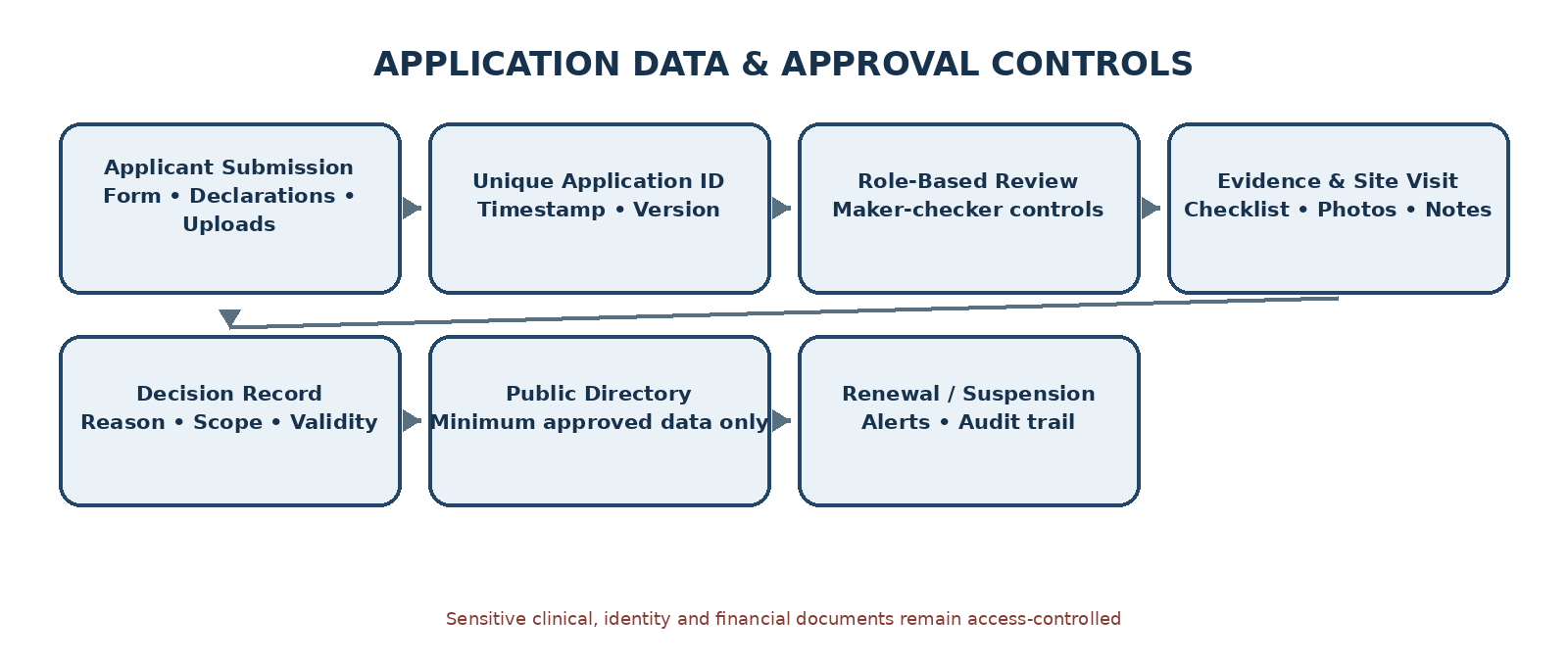
Figure 6. Application records, review controls and directory publishing
- Unique ID for every hospital, centre, trainer, course, batch and certificate.
- All approvals require recorded reviewer, date, evidence and decision reason.
- Maker-checker approval for fees, refunds, certificates, suspensions and bank changes.
- Time-stamped audit logs for edits, downloads, status changes and data exports.
- Public directory is populated only from approved records; expired/suspended entries are automatically excluded or clearly labelled.
- Separate access permissions for health-related, identity, finance and general operational data.
9. TECHNOLOGY, CYBERSECURITY & PRIVACY
9.1 Proposed technology architecture
| Layer | Proposed capability |
|---|---|
| Frontend | Responsive website and portals using a modern framework such as Next.js/React |
| Backend | Secure API services with modular architecture |
| Database | Relational database for applications, users, finance and MIS |
| File storage | Encrypted document storage with virus scanning and access expiry |
| Identity | Role-based access control, MFA for privileged roles and secure session management |
| Payments | Payment gateway; do not store card credentials |
| Messaging | SMS/email/WhatsApp provider integration with consent and opt-out controls |
| Analytics | Operational dashboards and exportable reports |
| Infrastructure | Cloud hosting, WAF, monitoring, backups and disaster recovery |
| Integration | Documented APIs for LMS, accounting, CRM and partner systems |
9.2 Minimum cybersecurity controls
- TLS, encryption at rest and secure key management.
- Multi-factor authentication for administrators, reviewers and finance roles.
- Least-privilege role-based access and quarterly access review.
- Secure coding, vulnerability assessment and penetration testing before production.
- Daily backups, tested restore process and disaster recovery plan.
- Document upload malware scanning, file type validation and size limits.
- Audit logs, incident response plan, security alerting and vendor access controls.
- Data retention schedule, deletion workflow and breach escalation process.
9.3 Privacy by design
Collect only information necessary for a defined purpose. Publish a clear privacy notice, obtain appropriate consent where required, provide grievance/contact details, define retention periods and restrict sensitive data. Health information, patient files, identity documents and financial details require stronger safeguards and should not be visible in public directory pages.
9.4 Accessibility and performance
- Responsive across low-cost Android devices and common browsers.
- Compressed images, caching and lightweight pages for low-bandwidth regions.
- Keyboard navigation, descriptive labels, captions and text alternatives.
- Simple forms with save-and-resume, clear error messages and multilingual help.
- Regular performance, accessibility and usability testing with actual users.
10. REVENUE MODEL, FEES & FINANCIAL CONTROLS
10.1 Potential revenue streams
| Stream | Potential charging basis | Controls |
|---|---|---|
| Hospital network application/assessment | Published application or assessment fee, if Board-approved | Cost-based fee, transparent terms, refund policy and no promise of external government empanelment |
| Skill centre application and assessment | Tier-based application, site assessment and annual renewal | Written fee schedule, receipts, taxes and clear scope |
| Training courses | Per learner / batch / corporate contract | Course specification, trainer cost, equipment and refund policy |
| Trainer development | Per approved programme | Eligibility, assessment, certificate wording and faculty costs |
| Corporate contracts | Annual or project-based service contract | Defined deliverables, SLA, GST and renewal |
| Products and equipment | Sale / supply / maintenance | Product compliance, warranty, traceability and returns |
| Digital platform | Institutional subscription where justified | SLA, data ownership, service limits and support |
10.2 Indicative tiered application fee policy – to be determined
No fee amount should be advertised until a cost study, tax review and Board approval are complete. The portal should support different fee heads: application processing, desktop review, site assessment, annual renewal, additional scope and re-assessment. If the organisation elects to provide no-fee public-benefit participation for selected categories, that must be documented and budgeted.
10.3 Financial governance
- Board-approved fee schedule and delegated discount authority.
- Separate accounting codes for hospital programme, skill centres, training, products and CSR projects.
- Automated receipts, GST invoices where applicable and payment reconciliation.
- No cash collection by unauthorised field representatives.
- Refunds only through maker-checker workflow to verified original payment source, subject to approved policy.
- Monthly revenue, cost-to-serve and receivables reporting by state and business line.
- Restricted CSR/donation funds segregated from commercial income and used only for permitted purposes.
11. GOVERNANCE, LEGAL BOUNDARIES & QUALITY
11.1 Committees and roles
| Body | Suggested mandate |
|---|---|
| Board / Governing Body | Approve strategy, policies, budget, delegated authority and risk appetite |
| Medical Advisory Committee | Clinical scope, curriculum review, emergency protocols and patient safety |
| Hospital Empanelment Committee | Independent review of hospital applications, scope and renewal |
| Training & Certification Committee | Course standards, trainer approval, assessment and certificate controls |
| Skill Centre Directorate | Centre network standards, onboarding, monitoring and audits |
| Technology & Data Governance Committee | Security, privacy, integrations, vendor and data access oversight |
| Grievance & Appeals Committee | Independent complaint handling, appeal and conflict review |
11.2 Key policy documents before launch
- Hospital network empanelment policy and category-wise checklist.
- Skill centre affiliation/authorisation policy and tier-wise standards.
- Trainer empanelment, assessment and renewal policy.
- Course approval, assessment and certificate issuance policy.
- Use of name/logo, marketing claims and partner communications policy.
- Privacy notice, data retention, consent and grievance policy.
- Fee, payment, cancellation, refund and dispute policy.
- Safeguarding, learner safety, complaints and incident reporting policy.
- Procurement, vendor due diligence, conflict of interest and anti-fraud policy.
11.3 Regulatory boundary – essential
NABH/QCI operates separate accreditation and empanelment programmes with defined criteria, application processes and assessments. CGHS/ECHS scheme recommendations and final government scheme empanelment are separate from an IHA network listing. Similarly, skill centre listing by IHA does not itself confer NCVET/NSDC recognition or government qualification status. Before using any such term, verify the exact written approval, issuing authority, validity and scope.
11.4 Official reference points for further verification
- NABH programme information describes separate accreditation and empanelment pathways, including application, document review, assessment, decision and renewal. See https://nabh.co/accreditations-certifications-and-empanelments/ and programme-specific pages.
- CGHS and ECHS empanelment information is published by NABH/QCI; the applicable scheme process and eligibility must be checked directly with the official authority.
- State-specific hospital eligibility and empanelment criteria may differ; consult the relevant state health agency and current notifications.
- All course, trainer and qualification claims must be checked against the relevant competent authority and the exact approval held by IHA or its partner.
11.5 No misleading directory or referral practice
- Label listing as “IHA Network Listed” only where approval is active and scope is visible.
- Do not imply that IHA guarantees treatment outcomes, hospital quality beyond assessed scope, reimbursement or insurance acceptance.
- Do not sell patient referrals or allow undisclosed commissions; obtain legal review of any referral/coordination arrangement.
- Publish a directory disclaimer that users should verify current services, availability, charges and emergency capability directly with the facility.
- Emergency calls should direct users to the appropriate authorised emergency service; website forms are not emergency dispatch.
12. MARKETING, LAUNCH & IMPLEMENTATION
12.1 Launch phases
| Phase | Timeline | Deliverables / gate |
|---|---|---|
| Discovery | Weeks 1–3 | Domain/hosting audit, legal status, stakeholder interviews, sitemap and requirements sign-off |
| Design | Weeks 4–6 | Brand system, page wireframes, mobile prototype, user testing |
| Build 1 | Weeks 7–12 | Public website, hospital application portal, centre application portal and login |
| Build 2 | Weeks 13–18 | CRM, LMS integration, payments, document workflow, QR verification and MIS |
| Pilot | Weeks 19–22 | Pilot with selected hospitals and centres; security and UAT; fix critical issues |
| Launch | Weeks 23–26 | National public launch, support desk, onboarding campaign and first dashboard report |
| Scale | Months 7–12 | State rollouts, language expansion, partner onboarding and quarterly quality reviews |
12.2 Initial pilot geography
Begin with a manageable pilot: New Delhi/NCR national office, one or two state capital hubs, a small set of district centres, several block centres and selected village learning points. Choose locations based on existing partner readiness, trainer availability, travel logistics, demand and ability to audit—not on a target number alone.
12.3 Marketing funnels
| Audience | Lead magnet / content | Conversion |
|---|---|---|
| Hospitals | Empanelment eligibility guide and checklist | Hospital application |
| Centre partners | Centre setup guide and viability calculator | Centre application |
| Students | Course finder and monthly calendar | Course enrolment |
| Trainers | Trainer eligibility and development pathway | Trainer application |
| Corporates | Workplace readiness checklist | Site assessment / quotation |
| International partners | Collaboration prospectus | Partner due diligence and MoU |
12.4 Support and grievance service levels
| Ticket type | Suggested acknowledgement | Suggested resolution target |
|---|---|---|
| General enquiry | Within 2 business days | 5 business days |
| Application document gap | Within 3 business days | Based on applicant response and review queue |
| Payment issue | Within 2 business days | 7–10 business days, subject to gateway/bank |
| Certificate correction | Within 3 business days | 10 business days after verification |
| Safety / serious complaint | Immediate escalation during operating hours | Risk-based urgent review |
| Data/privacy request | As per applicable law and published policy | Statutory timeline where prescribed |
13. 12-MONTH IMPLEMENTATION ROADMAP
| Month | Priority | Owner | Exit evidence |
|---|---|---|---|
| 1 | Board mandate, legal review, product scope, project lead | Board / CEO / Legal | Approved charter and risk register |
| 2 | Website requirements, sitemap, wireframes, portal workflows | Product / Technology | Signed requirements and clickable prototype |
| 3 | Public site and hospital/centre application forms | Vendor / Product | Working staging environment |
| 4 | Hospital review workflow and centre assessment workflow | Empanelment / Centre Directorate | Tested approval workflows |
| 5 | Trainer, student, course and certificate modules | Training / Technology | End-to-end test batch |
| 6 | Payments, finance, audit logs, privacy and security testing | Finance / Security | UAT and security sign-off |
| 7 | Pilot launch in selected geography | State / District teams | Pilot report and issue closure |
| 8 | Pilot review and revised SOPs | Quality / Medical Advisory | Board scale decision |
| 9 | State capital centre onboarding | State Directorate | Active state hub records |
| 10 | District/block/village partner expansion | Field Operations | Verified centre records and audit evidence |
| 11 | Corporate and hospital network campaigns | Sales / Empanelment | Qualified applications and contracts |
| 12 | National impact report and next-year budget | CEO / Finance / MIS | Annual review and approved plan |
14. KEY PERFORMANCE INDICATORS
| Area | KPI | Review |
|---|---|---|
| Website | Enquiry conversion, uptime, page speed, completed applications | Weekly/monthly |
| Hospital empanelment | Applications received, review cycle time, active facilities, renewals, complaints | Monthly |
| Skill centres | Applications, active centres by tier, audit pass rate, inactive/suspended centres | Monthly/quarterly |
| Training | Learners, completion rate, practical pass rate, feedback, trainer utilisation | Per batch/monthly |
| Quality | Critical findings, corrective action closure, repeat findings and incidents | Monthly |
| Finance | Revenue, cost-to-serve, gross margin, refunds, receivables and cash runway | Monthly |
| Privacy/security | Access reviews, incidents, backup tests, unresolved vulnerabilities | Monthly/quarterly |
| Impact | Community reach, subsidised learners, women participants and verified outcomes | Quarterly |
ANNEXURE A – HOSPITAL DOCUMENT CHECKLIST
- Legal entity registration / constitution documents and authorised signatory proof.
- Facility address and premises ownership/lease/permission.
- Applicable clinical establishment registration and other statutory licences.
- Professional registration and credentials of relevant clinicians and staff.
- Department/service list, bed details where relevant and operating hours.
- Equipment list, maintenance/calibration records where applicable.
- Fire and life-safety documentation as applicable.
- Biomedical waste authorisation and disposal arrangement as applicable.
- Patient rights, consent, privacy, infection prevention and complaint SOPs.
- Emergency preparedness, referral/handover protocol and staff training records.
- Insurance certificates where relevant and declarations of litigation/disciplinary matters.
ANNEXURE B – SKILL CENTRE SITE READINESS CHECKLIST
- Applicant/entity and authorised signatory verified.
- Venue permission, address and geo-location verified.
- Training room, practical area, seating, ventilation and lighting checked.
- Accessible entry, washroom and basic safety arrangements reviewed.
- Course-scope equipment available, serviceable and inventoried.
- Trainer credentials verified and roster approved.
- Curriculum, lesson plans, attendance and assessment forms controlled.
- Fee display, receipts, cancellation/refund and grievance process available.
- Privacy notice, learner consent and record security implemented.
- Branding and certificate claims comply with written authorisation.
ANNEXURE C – REQUIRED DIGITAL FORMS
| Form ID | Form name | Applicant / owner |
|---|---|---|
| H-01 | Hospital / Healthcare Organisation Application | Hospital applicant |
| H-02 | Hospital Scope of Services Declaration | Hospital applicant |
| H-03 | Hospital Document Upload Checklist | Hospital applicant |
| H-04 | Hospital Assessment Report | Authorised assessor |
| H-05 | Hospital Corrective Action Report | Hospital applicant / reviewer |
| H-06 | Hospital Network Agreement | Authorised signatories |
| SC-01 | Skill Centre Application | Centre applicant |
| SC-02 | Premises & Equipment Declaration | Centre applicant |
| SC-03 | Trainer Roster and Credential Consent | Centre applicant / trainers |
| SC-04 | Centre Site Assessment Checklist | Authorised assessor |
| SC-05 | Centre Corrective Action Plan | Centre applicant |
| SC-06 | Centre Agreement & Brand Undertaking | Authorised signatories |
| TR-01 | Trainer Empanelment Application | Trainer |
| ST-01 | Student Registration & Consent | Learner |
| GR-01 | Complaint / Grievance / Appeal | Any stakeholder |
ANNEXURE D – STANDARD NOTICES TO DISPLAY
- “IHA Network Listing is an institutional network listing only and is not a government licence, statutory approval or NABH accreditation.”
- “Courses and certificates are issued only within the scope and authority stated on the certificate.”
- “Website enquiry forms are not for emergency calls. In an emergency, contact the authorised emergency service for your location.”
- “Hospital and centre information is subject to change. Users should verify current services and availability directly with the provider.”
- “Only active, verified network partners are displayed as approved. Report suspected misuse through the grievance channel.”
ANNEXURE E – BOARD APPROVALS REQUIRED
- Approve website vision, sitemap, brand and public claims policy.
- Approve Hospital Network Empanelment Policy and independent review committee.
- Approve Skill Centre tier structure, eligibility, assessment and renewal policy.
- Approve clinical governance and course/certificate scope.
- Approve application and assessment fee schedule after cost and legal review.
- Approve pilot geography, target counts and scale/no-scale criteria.
- Approve technology vendor, data ownership, cybersecurity and privacy controls.
- Approve grievance, appeal, suspension and termination frameworks.
- Approve separate financial reporting for each programme and restricted funds.
- Approve international partner due diligence and country-specific legal review.
ANNEXURE F – SOURCE REFERENCES & VERIFICATION
The following official/public sources were consulted for the regulatory design context. They describe external accreditation/empanelment systems; they do not confer any approval on Indian Heart Association.
- NABH – Accreditations, Certifications & Empanelments – https://nabh.co/accreditations-certifications-and-empanelments/; Overview of separate pathways, assessment and renewal.
- NABH – CGHS Empanelment Programme – https://nabh.co/programmes/cghs-empanelment-programme/; CGHS programme information, eligibility and online application route.
- NABH – ECHS Empanelment Programme – https://nabh.co/programmes/echs-empanelment-programme/; ECHS programme information and assessment process.
- NABH – Entry Level Hospital – https://portal.nabh.co/Hospital-EntryLevel.aspx; Entry-level hospital certification programme information.
- Ayushman Bharat Haryana – Hospital Empanelment Eligibility – https://ayushmanbharat.haryana.gov.in/empanelled-hospitals-eligibility-criteria/; Illustrates state-scheme-specific eligibility criteria.
Reference review date: 2 October 2026. Always re-check the current official programme page, notifications, forms, fees and eligibility before implementing or publishing regulatory claims.
Planning diagrams
Illustrative diagrams supplied in the planning documents. All targets and workflows remain proposals until approved and validated.